How to Increase Email Open Rate
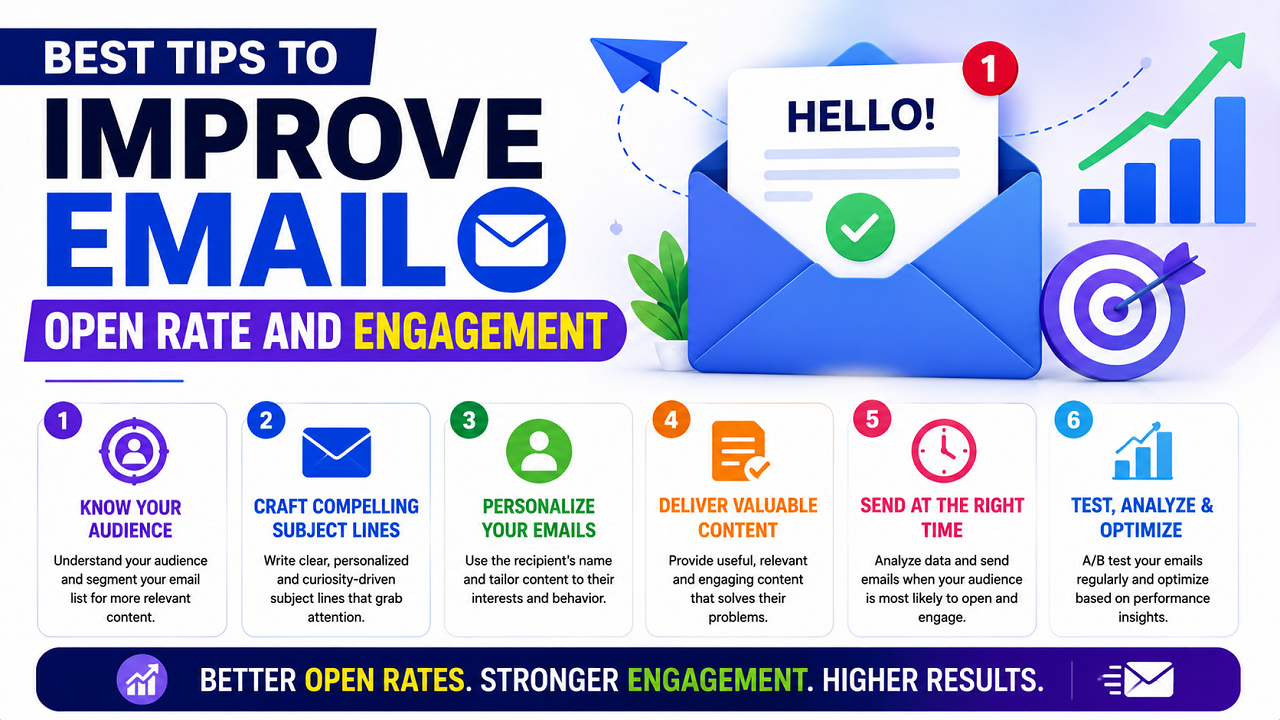
If you want to increase email open rate, you need to focus on more than just writing catchy subject lines. Subscribers decide whether to open an email based on several factors, including the sender name, subject line, preview text, timing, and overall trust in your brand. Businesses that successfully increase email open rate often combine audience targeting, personalization, list management, and email deliverability best practices to create messages that subscribers actually want to read. In this article you know about email engagement, email list segmentation & More.
Write Subject Lines That Clearly Communicate Value
Your subject line is often the first thing subscribers notice. If it fails to communicate relevance or value, the email may be ignored.
Focus on Specificity
Instead of vague subject lines such as “Important Update,” provide a clear reason to open the message.
Examples include:
- Your subscription renews tomorrow
- New analytics dashboard is now available
- Save 20% on annual plans this week
Keep It Short and Direct
Many subscribers read emails on mobile devices. Shorter subject lines are easier to scan and understand quickly.
Place Key Information First
Include the most important details at the beginning, such as:
- Discounts
- Deadlines
- Product names
- Account updates
Clear and relevant subject lines remain one of the most effective ways to increase email open rate.
Use a Consistent and Recognizable Sender Name
Subscribers are more likely to open emails from senders they recognize.
Common sender name formats include:
Brand Name
Ideal for:
- Product updates
- Billing notifications
- Company announcements
Personal Name
Best for:
- Sales outreach
- Coaching services
- Personal newsletters
Brand Plus Person
Examples:
- Sarah from CompanyName
- David at MarketingPro
Consistency builds trust and helps subscribers immediately recognize your emails.
Improve Results With Email List Segmentation
Email list segmentation allows you to send relevant content to specific groups rather than broadcasting the same message to everyone.
Segment by Subscriber Activity
Create groups such as:
- New subscribers
- Active customers
- Free trial users
- Inactive subscribers
Segment by Interests
Organize contacts based on:
- Product categories
- Content preferences
- Purchase behavior
- Geographic location
Email list segmentation helps subscribers receive information that matches their interests, leading to better email engagement and higher open rates.
Personalize Every Email Experience
Personalization goes far beyond including a subscriber’s first name.
Use Behavioral Data
Analyze:
- Website visits
- Product views
- Previous purchases
- Download activity
- Email interactions
Match Content to Customer Journey Stages
Different subscribers require different messaging.
For example:
- New subscribers need onboarding content.
- Existing customers appreciate updates and rewards.
- Former customers may respond to win-back campaigns.
Personalized content improves email engagement because subscribers receive information relevant to their needs.
Send Emails When Subscribers Are Most Active
Timing can significantly impact whether subscribers notice your emails.
Test Different Send Times
Compare:
- Morning versus evening
- Weekdays versus weekends
- Business hours versus after-work hours
Consider Time Zones
For international audiences, scheduling emails according to local time improves visibility and engagement.
Review campaign performance regularly to identify when your audience is most responsive.
Maintain a Clean Email List
A healthy subscriber list supports stronger email deliverability and engagement.
Remove Invalid Addresses
Delete:
- Hard bounces
- Invalid emails
- Duplicate contacts
Re-Engage Inactive Subscribers
Before removing inactive contacts, send a re-engagement campaign asking whether they still want to receive emails.
Subscribers who continue ignoring messages after several attempts can be safely removed.
Smaller lists filled with engaged subscribers usually perform better than large lists with inactive contacts.
Avoid Spam Trigger Language
Email providers analyze both subject lines and email content when determining inbox placement.
Common Spam Signals
Avoid excessive use of:
- ALL CAPS text
- Multiple exclamation marks
- Misleading promises
- Aggressive sales language
Match Subject Lines to Content
Your subject line should accurately reflect the email’s content. Misleading subscribers can damage trust and reduce future open rates.
Following these practices supports better email deliverability and inbox placement.
Optimize Preview Text
Preview text appears alongside the subject line in many inboxes and can influence open rates.
Expand on the Subject Line
For example:
Subject Line:
Free trial ends tomorrow
Preview Text:
Upgrade today to keep your saved projects and settings.
Write Custom Preview Text
Avoid allowing email platforms to automatically generate preview text from the beginning of your email.
Custom preview text provides greater control over how your message appears in inboxes.
Test One Variable at a Time
A/B testing helps identify what works best for your audience.
Elements Worth Testing
- Subject lines
- Sender names
- Preview text
- Send times
- Personalization strategies
Use Meaningful Sample Sizes
Small audiences can produce misleading results. Test campaigns across sufficient subscriber numbers before making major decisions.
Consistent testing provides valuable insights that help increase email open rate over time.
Set Clear Expectations During Signup
Subscribers should know exactly what they are signing up to receive.
Explain Email Frequency
Let subscribers know whether they can expect:
- Weekly newsletters
- Product updates
- Promotional offers
- Educational content
Deliver What You Promise
If someone signs up for weekly tips, avoid suddenly sending daily promotional messages.
Clear expectations improve trust, engagement, and long-term subscriber retention.
Track Metrics Beyond Open Rates
While open rates are important, they represent only one part of overall email performance.
Monitor These Key Metrics
- Email deliverability rate
- Click-through rate (CTR)
- Bounce rate
- Unsubscribe rate
- Spam complaints
Analyzing multiple metrics provides a more complete picture of campaign effectiveness.
Choose the Right Email Marketing Platform
The tools you use can directly affect your ability to increase email open rate and maintain subscriber engagement.
Look for platforms that provide:
- Email list segmentation
- A/B testing tools
- Automation features
- Deliverability monitoring
- Detailed analytics
A platform with strong reporting and optimization capabilities helps you continuously improve campaign performance.
Businesses that consistently increase email open rate focus on relevance, trust, and subscriber experience. By improving subject lines, implementing email list segmentation, personalizing content, maintaining strong email deliverability, and testing campaigns regularly, you can build stronger relationships with subscribers and achieve better email engagement over time.
Rather than relying on a single tactic, combine multiple strategies and monitor performance metrics consistently. Small improvements across several areas often produce the biggest gains in email marketing results.
Follow Us on Facebook
More Article